Removal & site work

Demolition and excavation

Clear the way for the next stage of your project.

What we plan your project around

  1. Defined removal limits

    Identify exactly what comes out and what stays.

  2. Protected surroundings

    Access, nearby structures and utilities considered before work.

  3. A clear handoff

    Debris removal and the final ground condition agreed in advance.

From the first conversation

How the work takes shape.

Plan the work

  • Survey what is there

    • Identify utilities, occupied areas, adjacent foundations, overhead lines, retained finishes, and anything hidden behind the visible surface.
  • Confirm authorizations

    • Establish who obtains permits, disconnects services, arranges required environmental surveys, and protects neighbors, public ways, and storm drains.
  • Write the end condition

    • State what is removed, what remains, debris destinations, backfill/compaction expectations, and whether the area is left rough, stable, or ready for another trade.
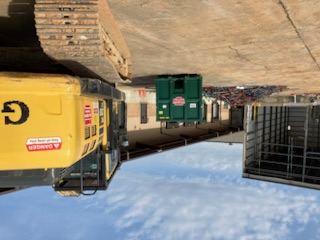
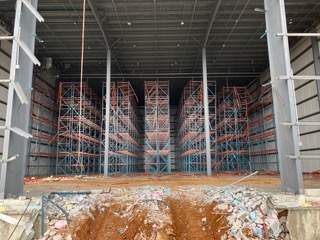
Bring the details together

Start your estimate conversation with these project details.

  • Marked photos or plan with exact removal limits

  • Utility-locate status and known service routes

  • Building age and any lead/asbestos survey information

See the full estimate checklist
Mark
Remove / keep / protect
Locate
Utilities and drains
Screen
Lead, asbestos, tanks
Define
Disposal and backfill

How to scope it

Define the stop line and what follows removal.

List the structure or material to remove and show the boundary on photos or a sketch. Wall demolition, slab removal, trenching, and excavation have different safety, utility, dust, disposal, and restoration requirements. Check older surfaces and unknown fill before disturbing them.

For pre-1978 housing, partial demolition and renovation that disturb painted surfaces can fall under EPA’s lead-safe renovation rule. Suspected asbestos and regulated waste require separate qualified handling.

Planning your demolition and excavation project

Demolition and excavation need clearly marked limits. Identify what must be removed, what must remain and what the next stage of the project requires. Interior removal and outdoor excavation involve different access and handoff questions, so describe each area separately when both are part of the request.

Existing information

Share available plans, utility information and photographs of adjoining structures. Identify previous alterations and any areas whose contents or construction are unknown.

Removal and restoration

Ask whether debris handling, hauling, backfill and final surface preparation are included. Define the end condition so that the next contractor or project stage has a clear starting point.

What affects the estimate?

The estimate should describe the work area, existing conditions and agreed finish. Two proposals can cover different preparation or completion tasks even when their headline descriptions sound similar. Ask which items are included, which are optional and which depend on a closer look at the property.

  • Survey what is there: Identify utilities, occupied areas, adjacent foundations, overhead lines, retained finishes, and anything hidden behind the visible surface.
  • Confirm authorizations: Establish who obtains permits, disconnects services, arranges required environmental surveys, and protects neighbors, public ways, and storm drains.
  • Write the end condition: State what is removed, what remains, debris destinations, backfill/compaction expectations, and whether the area is left rough, stable, or ready for another trade.
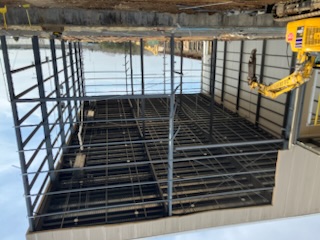
Information to send with your request

Send an overview of the space alongside close-up photographs. Include measurements where available, and label approximate dimensions as estimates. The following details help focus the conversation:

  • Marked photos or plan with exact removal limits.
  • Utility-locate status and known service routes.
  • Building age and any lead/asbestos survey information.
  • Debris, disposal, backfill, and restoration responsibilities.

Agree on the sequence before work starts

  1. Confirm the scope. Identify the exact areas involved, retained items, selected products and the intended finished condition. Record any unresolved questions before arranging the work.
  2. Coordinate access. Discuss delivery, parking, storage, occupied areas and any other work taking place at the property. Explain timing constraints early so they can be considered in the plan.
  3. Record changes. If the condition or requested work changes, ask how that affects the scope, price and timing before additional work proceeds.
  4. Define completion. Agree on cleanup, remaining materials, product information and the handoff to you or the next trade. Keep those details with the estimate for reference.

To discuss demolition and excavation with A&J Landscaping & Development Inc., use the estimate checklist and send a project inquiry. Include the property location and the work you want done so the next conversation can address your actual project.

Survey contents before removal starts

EPA's demolition guidance identifies items such as paints, solvents, oils, batteries and compressed-gas containers that may be present in a property awaiting demolition. These need a disposal conversation before they become mixed with debris. Local collection and disposal requirements should be confirmed for the materials found. EPA: household hazardous waste and demolition.

For the project brief, identify stored products and unknown containers in garages, utility rooms and outbuildings. Keep hazardous-material assessment separate from an ordinary debris-removal estimate. Ask who is responsible for specialist surveys or handling where the condition or material is uncertain.

Selective removal needs precise boundaries

Mark the exact walls, finishes or structures involved and photograph retained areas. Include attached services and adjoining finishes in the discussion. A phrase such as remove the old room does not explain whether floors, ceilings, cabinets and external surfaces are all included.

Use the next stage of construction to define the desired handoff. Ask what must remain accessible and what temporary protection is needed. If another contractor will continue the renovation, confirm their requirements before demolition limits are finalized.

Excavation quantities need a destination

Describe the intended excavation and the information available about depth, boundaries and existing ground. Identify where excavated material may be stored and whether export is part of the scope. Ask how unsuitable or unexpected material will be addressed if encountered.

Discuss backfill and final preparation separately from excavation. The work may stop at an opening for another trade or continue through restoration, but that distinction should be clear in the proposal. Identify who supplies design information and who approves changes.

Closeout includes temporary and surrounding work

Record the treatment of exposed edges, remaining openings, access routes and neighboring features. Ask which barriers or other temporary arrangements remain until the next phase. Do not assume that debris removal automatically includes restoration of every disturbed surface.

Keep a record of what was removed and what remains outside the agreed scope. Review hauling, retained materials and the condition left for the next contractor. A short closeout list is especially useful when demolition and reconstruction occur under separate agreements.

Make the estimate useful

Mark utilities, material, and end condition.

Email about demolition and excavation
  1. 01Marked photos or plan with exact removal limits
  2. 02Utility-locate status and known service routes
  3. 03Building age and any lead/asbestos survey information
  4. 04Debris, disposal, backfill, and restoration responsibilities

Project imagery

Construction access and material
in view.

Look closely at the material, access, and finish involved in this kind of work.

The difference is in the details

A rough idea. A defined demolition and excavation plan.

An incomplete brief

What still needs an answer

  • The work area, existing condition and access are unclear.
  • Materials and preparation are left out of the scope.
  • Completion details and responsibilities have not been agreed.

A defined project

What to put in the plan

  • Defined removal limits. Identify exactly what comes out and what stays.
  • Protected surroundings. Access, nearby structures and utilities considered before work.
  • A clear handoff. Debris removal and the final ground condition agreed in advance.
  1. Training

    Read the course records

    • Rachee Johnson’s NCDOT course completions cover business insights and bidding, drones and construction surveying, and pipe installation and erosion control.
    View completion certificates →
  2. Scope

    Start with the actual conditions

    • Marked photos or plan with exact removal limits.
    • Utility-locate status and known service routes.
    See the estimate checklist →

Define your project

Demolition and excavation: scopes to discuss

  1. Selective removal
  2. Site clearing
  3. Ground excavation
  4. Renovation preparation

Before work begins

Three details to agree for demolition and excavation

  1. Survey what is there

    • Identify utilities, occupied areas, adjacent foundations, overhead lines, retained finishes, and anything hidden behind the visible surface.
  2. Confirm authorizations

    • Establish who obtains permits, disconnects services, arranges required environmental surveys, and protects neighbors, public ways, and storm drains.
  3. Write the end condition

    • State what is removed, what remains, debris destinations, backfill/compaction expectations, and whether the area is left rough, stable, or ready for another trade.

Ready to discuss demolition and excavation?

Contact A&J Landscaping & Development Inc. with your project details.

  • Share the property location, photos and measurements so the conversation starts with the actual space.
  • Describe your priorities, preferred materials and access restrictions, including any areas that need to remain in use.
  • Ask which preparation, supplies, cleanup and trade responsibilities belong in the estimate before agreeing to the work.
Request an estimate Browse all services →

Trade-specific questions

Frequently asked questions

Does demolition include hauling everything away?

Not automatically. List material handling, container, loading, disposal fees, salvage, and final cleanup so the estimate states who does each part.

Can excavation start before utilities are marked?

No. Contact the relevant utility-locate service and identify private lines as well. A public locate does not necessarily mark every customer-owned service on a property.

What information helps scope selective demolition?

Share photos and identify what must remain, what can be removed, access limits and any known utilities or hazardous-material concerns.

Who handles debris and the final work area?

Confirm containers, hauling, disposal fees, rough cleanup and the condition required for the next trade in writing.

What happens if hidden conditions appear?

Ask how work pauses, the condition is documented and any change to scope or price is approved before continuing.