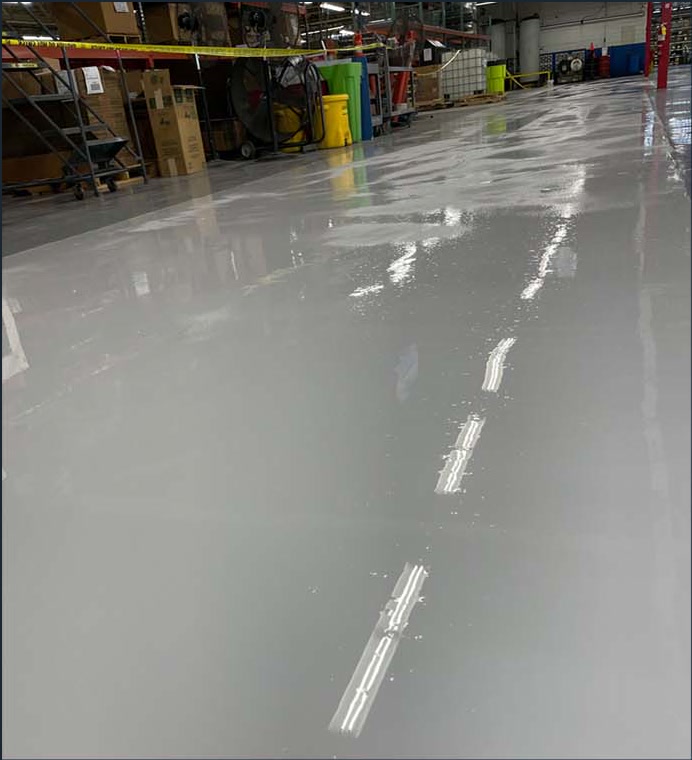
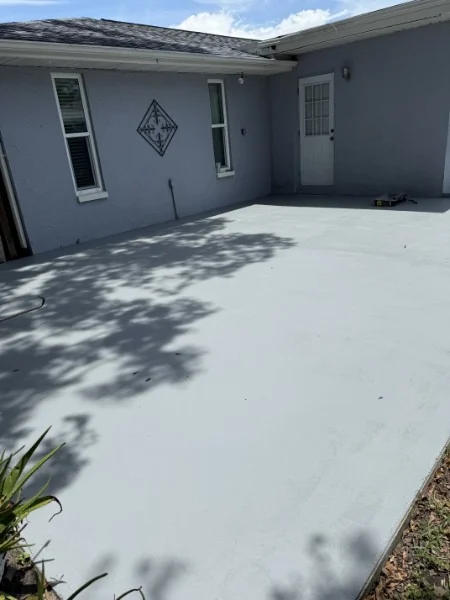
Concrete & flooring

Concrete finishing

Give your concrete the finish its use calls for.

What we plan your project around

  1. The right texture

    A surface finish selected for the intended use.

  2. Considered transitions

    Edges, slopes and joints included in the plan.

  3. A protected finish

    Curing and return-to-use requirements agreed in advance.

From the first conversation

How the work takes shape.

Plan the work

  • Prepare the work area

    • Review subgrade/base, forms, reinforcement responsibility, access for concrete delivery, adjoining surfaces, and how runoff should be handled.
  • Choose the finish and joints

    • Agree on the texture, edges, control-joint plan, slopes, and transitions before concrete arrives.
    • Mark any drains, thresholds, and penetrations.
  • Protect curing concrete

    • Plan curing and restricted access using the specified mix and project conditions.
    • Early foot traffic or loading can mark or weaken a surface before it is ready.
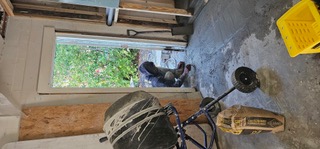
Bring the details together

Start your estimate conversation with these project details.

  • Dimensions, elevations, intended use, and finish preference

  • Base condition, reinforcement or design details if known

  • Concrete delivery and equipment access constraints

See the full estimate checklist
Specify
Surface use and finish
Prepare
Base, forms, access
Sequence
Placement, joints, curing
Protect
Weather and early traffic

How to scope it

The finish begins with the material underneath.

Define the slab or surface, thickness or elevations if specified, intended use, edges, slope, drainage, and desired appearance. A broom, trowel, exposed aggregate, or coating-ready finish is not an interchangeable choice. Finish timing also depends on mix and site conditions.

There is no single cure time for every mix and exposure. NRMCA’s guidance notes that curing provisions and the required period depend on the project and specification.

Planning your concrete finishing project

Concrete finishing concerns the surface, edges, joints and transitions of a placement. Describe how the area will be used and what finished appearance you want. Photos of adjacent concrete can help explain the intended relationship, although a new placement may not visually match an older surface exactly.

Finish selection

Identify texture preferences and the importance of clean edges, drain transitions and adjoining thresholds. Confirm the finish in the scope before comparing proposals.

Work sequence

Clarify who provides the base, forms and concrete placement. Include weather planning, access for finishing and protection of the completed surface in the conversation about timing.

What affects the estimate?

The estimate should describe the work area, existing conditions and agreed finish. Two proposals can cover different preparation or completion tasks even when their headline descriptions sound similar. Ask which items are included, which are optional and which depend on a closer look at the property.

  • Prepare the work area: Review subgrade/base, forms, reinforcement responsibility, access for concrete delivery, adjoining surfaces, and how runoff should be handled.
  • Choose the finish and joints: Agree on the texture, edges, control-joint plan, slopes, and transitions before concrete arrives. Mark any drains, thresholds, and penetrations.
  • Protect curing concrete: Plan curing and restricted access using the specified mix and project conditions. Early foot traffic or loading can mark or weaken a surface before it is ready.
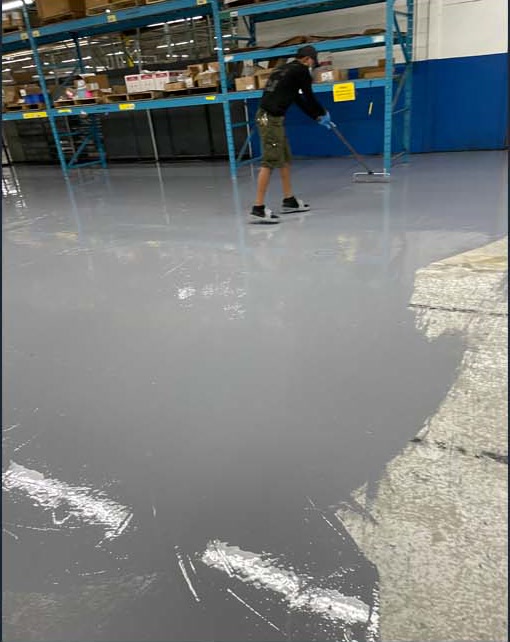
Information to send with your request

Send an overview of the space alongside close-up photographs. Include measurements where available, and label approximate dimensions as estimates. The following details help focus the conversation:

  • Dimensions, elevations, intended use, and finish preference.
  • Base condition, reinforcement or design details if known.
  • Concrete delivery and equipment access constraints.
  • Weather exposure, drainage, and area closure requirements.

Agree on the sequence before work starts

  1. Confirm the scope. Identify the exact areas involved, retained items, selected products and the intended finished condition. Record any unresolved questions before arranging the work.
  2. Coordinate access. Discuss delivery, parking, storage, occupied areas and any other work taking place at the property. Explain timing constraints early so they can be considered in the plan.
  3. Record changes. If the condition or requested work changes, ask how that affects the scope, price and timing before additional work proceeds.
  4. Define completion. Agree on cleanup, remaining materials, product information and the handoff to you or the next trade. Keep those details with the estimate for reference.

To discuss concrete finishing with A&J Landscaping & Development Inc., use the estimate checklist and send a project inquiry. Include the property location and the work you want done so the next conversation can address your actual project.

Finishing and curing are connected stages

NRMCA describes curing as maintaining suitable moisture and temperature conditions so placed concrete can develop its intended properties. The finished appearance is only one part of the work. Protection after finishing belongs in the plan, with the approach and duration selected for the project conditions. NRMCA: curing in-place concrete.

Ask who maintains barriers and other protection after the crew leaves. Record whether another trade needs early access and how that will be handled. Avoid using the surface's apparent dryness as the only basis for deciding that normal loading can resume.

Compare finishes in the context of their use

Bring examples of the texture you prefer, but explain where the concrete will be used. A sheltered interior floor and an outdoor path have different exposure and maintenance questions. Discuss footwear, cleaning, water exposure and the intended relationship with neighboring surfaces.

Confirm which edges, borders and transitions are included in the finish description. A short phrase such as standard finish leaves room for different interpretations. Photographs or an agreed sample can make the conversation more specific without promising an exact match to aged concrete.

Existing surfaces and new placements

Clarify whether the request concerns finishing fresh concrete, repairing an existing surface or preparing it for a separate coating. These should be priced as distinct scopes. Describe age, previous treatments and visible damage if the concrete is already in place.

For a fresh placement, identify who supplies and places the concrete and who owns the base and formwork preparation. Handoffs matter when separate people control the delivery, placement and finishing stages. List responsibilities before committing to a finishing date.

Appearance at handoff and later care

Review the work against the selected texture, agreed edges and joint layout. Ask when the surface should be assessed and how to report an area of concern. Changes during curing should be discussed with the contractor before applying an unplanned treatment.

If polishing, flooring or a resin coating is planned later, communicate that requirement early. Keep a record of any curing products used so the next contractor can consider compatibility. The care plan should identify when cleaning, covering and subsequent finishing work may begin.

Make the estimate useful

Get the product and floor conditions together.

Email about concrete finishing
  1. 01Dimensions, elevations, intended use, and finish preference
  2. 02Base condition, reinforcement or design details if known
  3. 03Concrete delivery and equipment access constraints
  4. 04Weather exposure, drainage, and area closure requirements

Project imagery

Surface and finish details
in view.

Look closely at the material, access, and finish involved in this kind of work.

Technical reading

Product and installation guidance

The difference is in the details

A rough idea. A defined concrete finishing plan.

An incomplete brief

What still needs an answer

  • The work area, existing condition and access are unclear.
  • Materials and preparation are left out of the scope.
  • Completion details and responsibilities have not been agreed.

A defined project

What to put in the plan

  • The right texture. A surface finish selected for the intended use.
  • Considered transitions. Edges, slopes and joints included in the plan.
  • A protected finish. Curing and return-to-use requirements agreed in advance.
  1. Training

    Read the course records

    • Rachee Johnson’s NCDOT course completions cover business insights and bidding, drones and construction surveying, and pipe installation and erosion control.
    View completion certificates →
  2. Scope

    Start with the actual conditions

    • Dimensions, elevations, intended use, and finish preference.
    • Base condition, reinforcement or design details if known.
    See the estimate checklist →

Define your project

Concrete finishing: scopes to discuss

  1. Walkways
  2. Patios
  3. Interior slabs
  4. Driveway surfaces

Before work begins

Three details to agree for concrete finishing

  1. Prepare the work area

    • Review subgrade/base, forms, reinforcement responsibility, access for concrete delivery, adjoining surfaces, and how runoff should be handled.
  2. Choose the finish and joints

    • Agree on the texture, edges, control-joint plan, slopes, and transitions before concrete arrives. Mark any drains, thresholds, and penetrations.
  3. Protect curing concrete

    • Plan curing and restricted access using the specified mix and project conditions. Early foot traffic or loading can mark or weaken a surface before it is ready.
Ready to discuss concrete finishing?

Contact A&J Landscaping & Development Inc. with your project details.

  • Share the property location, photos and measurements so the conversation starts with the actual space.
  • Describe your priorities, preferred materials and access restrictions, including any areas that need to remain in use.
  • Ask which preparation, supplies, cleanup and trade responsibilities belong in the estimate before agreeing to the work.
Request an estimate Browse all services →

Trade-specific questions

Frequently asked questions

Does a broom finish work for any slab?

No. Finish texture should match the use, slope, exposure, and cleaning needs. Confirm the intended result before placement.

When can I walk or drive on new concrete?

Follow the project specification and concrete supplier/installer guidance. Mix, temperature, curing, thickness, and load all affect when it can be used.

What finish works best for an outdoor walkway?

Discuss traction, slope, weather exposure and the intended appearance. Compare broom and other textures with the installer before placement.

Are control joints part of the finishing plan?

They should be discussed before placement, including their location and how they meet edges, drains and nearby surfaces.

What should I do if rain is forecast?

Ask the concrete team about weather protection and rescheduling. Placement and finishing decisions depend on conditions and the chosen mix.